
When we think about childhood stress, we often imagine emotional moments, tantrums, separation anxiety, or worries before school. But a groundbreaking article published in Pediatrics by developmental scientist Dr. Jack Shonkoff and colleagues reveals something deeper: stress doesn’t just affect a child’s emotions, it also changes the biology of their body.
This Harvard study helps us understand how early stress affects a child’s brain and body. It calls for a shift in how both parents and pediatricians think about early stress and resilience. It shows that a child’s experiences literally “get under the skin,” shaping how their brain, hormones, and immune system develop but it also offers hope: warm, responsive relationships can protect children at a biological level.
Why This Study Matters
The research explains that for decades, pediatricians have used tools like the Adverse Childhood Experiences (ACE) questionnaire to screen for stress. ACEs include experiences such as:
-
Exposure to violence, neglect, or abuse
-
Parental separation or loss
-
Growing up in a home affected by substance use or mental illness
-
Poverty, racism, or community violence
These experiences are linked to increased risk of chronic illness, mental health challenges, and learning difficulties later in life. But as Shonkoff and his team explain, ACE scores alone cannot predict which child will struggle most. Two children can experience similar hardships, yet one may remain resilient while another shows early signs of biological stress overload.
That difference lies in how the body’s stress response system adapts or fails to adapt to adversity.
“The science of adversity and resilience has moved beyond asking ‘What happened to you?’ to understanding ‘How is your body responding to what happened?’” — Shonkoff et al., Pediatrics, 2022
How the Study Was Conducted
This was not a single clinical trial, but rather a scientific review and framework summarizing years of developmental, neuroendocrine, and immunological research. Shonkoff’s team at Harvard’s Center on the Developing Child analyzed how early adversity “shows up” in the body and how pediatric medicine could one day detect it through biological indicators.
The authors reviewed evidence from:
-
Studies on stress hormones like cortisol
-
Inflammatory markers in saliva, hair, and blood
-
Epigenetic changes — small chemical switches that affect how genes are expressed
-
Brain imaging studies showing altered activity in areas involved in emotion and learning
Together, these findings reveal that chronic stress, what scientists call toxic stress, can disrupt the brain’s architecture and weaken the body’s ability to regulate inflammation and immunity.
What the Researchers Found
-
Chronic stress can leave a biological “fingerprint.”
Repeated activation of stress hormones can alter how cells communicate, change immune function, and even affect how genes turn on and off. These changes don’t mean permanent damage, but they signal that a child’s body is working too hard for too long. -
Not all stress is bad.
Shonkoff’s team distinguished between positive stress (like learning a new skill), tolerable stress (like a short-term illness or move), and toxic stress, which occurs when strong, frequent stress happens without supportive relationships to help the child recover. -
Responsive relationships buffer biology.
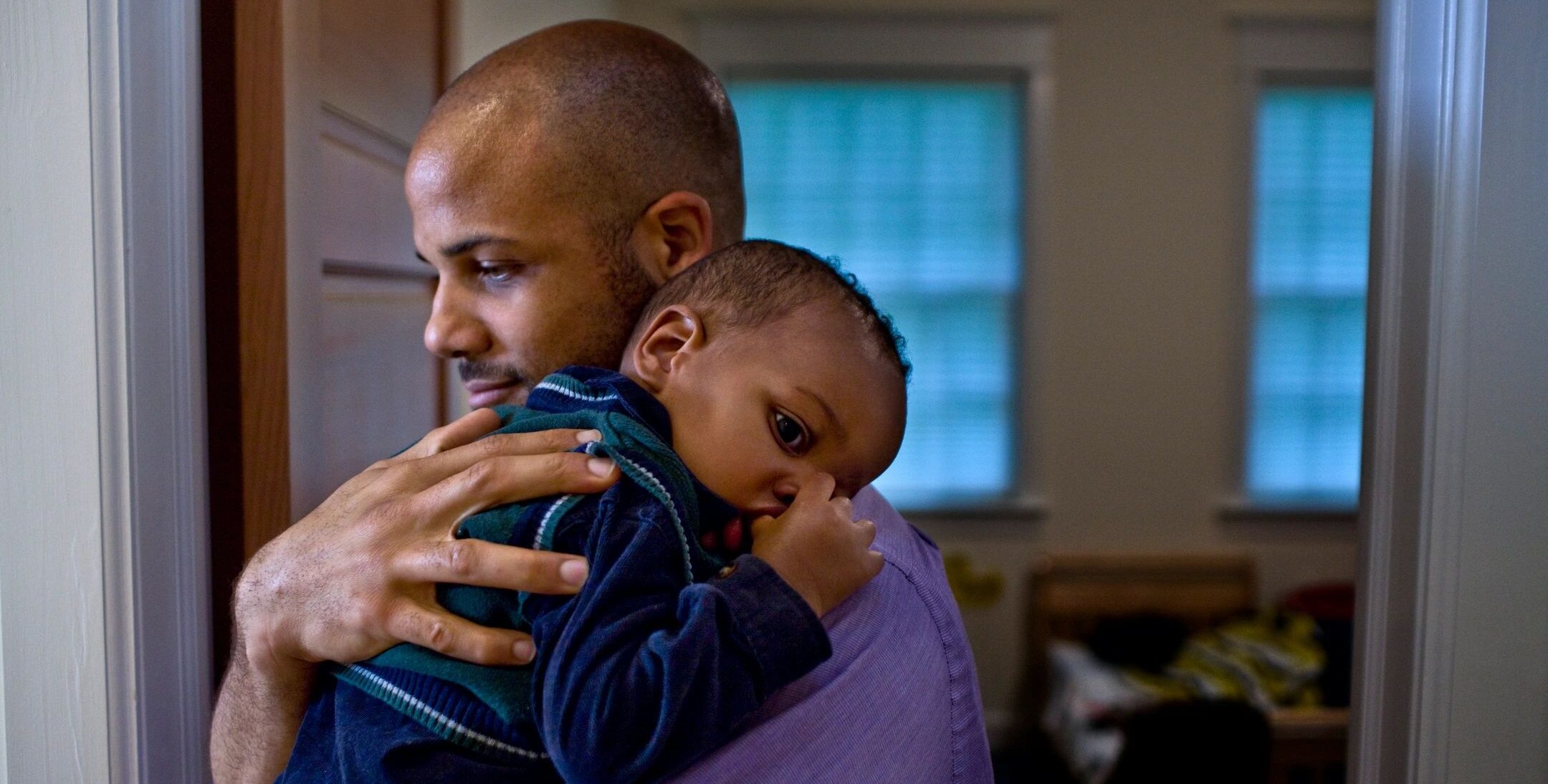
One of the most important findings was that children who have warm, reliable caregivers show fewer biological signs of stress even in challenging environments. Nurturing relationships literally regulate the body’s stress response. -
Pediatric health care needs new tools.
The researchers call for the development of biomarker-based screenings, noninvasive tests (like saliva or hair samples) that could show how a child’s body is managing stress. These could complement, not replace, ACE questionnaires. -
Ethical use is essential.
The team warned against using biological stress data to label or stigmatize families. Instead, these measures should guide supportive interventions helping pediatricians identify families who might benefit from extra connection and care.
“Responsive relationships, health-promoting experiences, and sufficient resources to meet basic needs all strengthen the foundations of healthy development.” — Shonkoff et al., 2022
How This Study Applies in Your Home
As a parent, you can’t shield your child from every challenge and that’s okay. What matters most is how your child experiences those challenges and whether they have your support in recovering from them.
Here’s what helps:
-
Connection first, correction second. When your child is upset, your calm presence tells their nervous system it’s safe to relax.
-
Predictable routines. Regular meals, bedtime, and shared rituals help regulate stress hormones.
-
Model recovery. When you’re stressed, show your child how you take a break, breathe, or ask for help. Children learn regulation through imitation.
-
Seek support when needed. If family stress feels overwhelming, reach out to your child’s doctor, a counselor, or your community. Or join our evidence-based program, The Reflective Parent, by taking our course or joining our membership.
Reflection Prompts for Parents
-
When my child feels overwhelmed, how do I respond, with calm, control, or frustration?
-
How do I model stress recovery in front of my child?
-
What small daily routines could help my child feel more emotionally secure?
These prompts help you move from reacting to reflecting, a shift that protects your child’s emotional and biological health.
Insights for Pediatric Clinicians
For pediatricians, this research highlights a crucial next step in integrating developmental biology into practice.
Shonkoff and colleagues propose that biological indicators of stress (like cortisol levels, immune markers, or epigenetic signatures) could eventually help identify which children are struggling most, long before symptoms appear.
Practical applications include:
-
Expanding screening conversations beyond ACE scores to include stress physiology and resilience factors.
-
Integrating parental stress and mental health screening into pediatric visits.
-
Offering “buffering relationship” guidance, reminding parents that co-regulation and connection are biologically protective.
At Curious Neuron, our Clinical Integration Program helps pediatric clinics bring this type of research into everyday practice, bridging the gap between neuroscience and family well-being. Please email Cindy for more details.
This study reminds us that a child’s biology and relationships are deeply connected.
Stress can leave traces in the body but love and safety leave them too.
“The biology of adversity is not destiny. Responsive relationships and supportive environments can change the trajectory of health and development.” — Shonkoff et al., 2022
Every bedtime story, every hug, and every calm moment after chaos is not just comfort, it’s science in action.